Essential Tips for Preserving Tattoo Vibrancy Over Time
Table Of Contents
Hydration and Its Impact on Skin Health
Maintaining adequate hydration is crucial for overall skin health, which directly influences the appearance of tattoos. Well-hydrated skin tends to be more elastic and vibrant, allowing the inks used in tattoos to remain rich and clear. Dehydration can lead to dryness and flakiness, potentially causing tattoos to appear faded or dull as the skin loses its natural moisture and resilience. Regular intake of water not only benefits the skin but also aids in its recovery and renewal processes after the tattooing procedure.
In addition to drinking enough water, incorporating hydrating skincare products can boost skin hydration levels. Moisturisers with ingredients like hyaluronic acid and glycerin can help retain moisture, ensuring that the skin stays supple. Such products can complement hydration from within, creating an optimal environment for tattoos to maintain their original intensity. By paying attention to skin hydration, individuals can better protect their body art from premature fading.
Drinking Enough Water for Vibrant Skin
Proper hydration plays a crucial role in maintaining the overall health of your skin, which impacts the vibrancy of your tattoos. Drinking adequate amounts of water ensures your skin remains plump and elastic. This elasticity helps tattoos stay sharp and clear over time. When skin is dehydrated, it can lead to dryness and flakiness, potentially causing the ink to fade or blur. Therefore, choosing to prioritise hydration can significantly enhance the appearance of your artwork.
Incorporating water-rich foods into your diet can further aid in keeping your skin hydrated. Fruits such as watermelon and oranges, along with vegetables like cucumbers and lettuce, can support your water intake. Maintaining balanced hydration not only promotes healthy skin but also benefits your overall wellbeing. By fostering a lifestyle centred on adequate fluid consumption, you create an environment where your tattoos can thrive for years to come.
Professional Touch-Ups
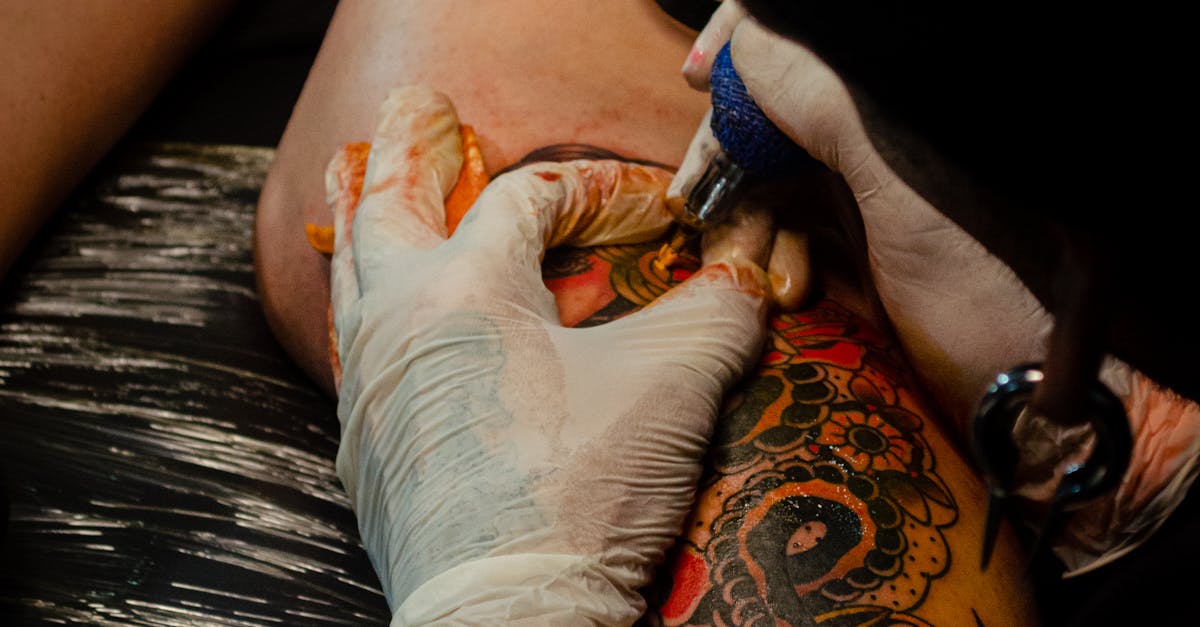
Tattoo designs can naturally fade over time due to various factors, including sun exposure and skin elasticity. The need for professional touch-ups can arise when the colours appear dull or the lines have started to blur. Regular monitoring of your tattoo’s condition is essential, as certain signs such as significant colour loss or unevenness may indicate it’s time for a retouch. Consulting with a qualified tattoo artist can provide valuable insights and recommendations tailored to the specific artwork.
Some tattoos may need more frequent touch-ups depending on their placement and the individual's skin type. Areas that experience more friction or sun exposure often require more attention. A professional artist can assess whether the original design can be revitalised with a simple touch-up or if more extensive work is necessary. Keeping communication open with your tattoo artist can help ensure your body art maintains its intended vibrancy and detail over the years.
Signs That Indicate a Need for Retouching
A tattoo may start to lose its intended vibrancy over time due to various factors, making retouching necessary. If you notice that colours have faded significantly or the outlines appear blurry, it may be time to consider a touch-up. Additionally, if you experience any discolouration around the tattoo site or if the design has lost its sharpness, these can also serve as indicators that the artwork requires professional attention.
Skin changes can also affect the appearance of tattoos. Weight fluctuations or significant sun exposure can contribute to the need for retouching. If there are any signs of irritation, infection, or other skin conditions in the area of the tattoo, addressing these issues promptly will help maintain the tattoo’s integrity and ensure a more successful retouch.
Seasonal Changes and Their Effects on Tattoos
Weather conditions can significantly impact the appearance and longevity of tattoos. In summer, increased exposure to sunlight can lead to fading, while harsh winter winds can dry out the skin, making tattoos look dull and less vibrant. During these seasonal transitions, it becomes crucial to adjust skin care practices to ensure tattoos remain bold and eye-catching.
In hot months, applying a broad-spectrum sunscreen is essential to protect against UV damage. Moisturising regularly helps maintain skin elasticity and brightness. Conversely, during colder months, opting for thicker moisturisers can prevent dryness and cracking. By understanding these changes and adapting tattoo care routines accordingly, individuals can help preserve the integrity of their ink throughout the year.
Adapting Care Routines for Different Climates
Weather can significantly affect skin and tattoo vibrancy. In hot and humid climates, increased sweat production can lead to irritation. It is crucial to apply a good quality sunscreen to prevent fading caused by sun exposure. Regular moisturisation is also essential in such conditions, helping to maintain skin elasticity and hydration.
During colder months, skin tends to dry out more rapidly. This can cause tattoos to appear dull or faded. It is advisable to invest in a rich moisturiser to combat dryness and protect the tattooed area. Layering skin care products can help lock in moisture, ensuring that the tattoo remains vibrant despite the harsh conditions.
FAQS
How often should I drink water to maintain my tattoo's vibrancy?
It's generally recommended to drink at least 2 to 3 litres of water a day to keep your skin hydrated, which helps maintain the vibrancy of your tattoo.
How can I tell if my tattoo needs a touch-up?
Signs that indicate a need for retouching include fading, blurring of lines, or loss of colour depth in certain areas of the tattoo.
Do seasonal changes really affect my tattoo?
Yes, seasonal changes can impact your skin's hydration levels and overall health, which can in turn affect the appearance of your tattoo.
What specific care routines should I adapt for different climates?
In humid climates, focus on keeping your skin moisturised to prevent dryness, while in dry climates, consider using heavier moisturisers and sunscreen to protect your tattoo from fading.
How long after getting a tattoo should I wait before considering a touch-up?
It's best to wait at least 6 to 8 weeks after getting your tattoo for the skin to fully heal before considering any touch-ups.
Related Links
How to Ensure Your Tattoo Stays Fresh Throughout the YearsBest Practices for Maintaining Your Tattoo on the Sunshine Coast
Choosing the Right Skincare Products for Mature Tattoos
The Impact of Ageing Skin on Tattoo Appearance
Lifestyle Habits that Support Tattoo Longevity
Scheduling Touch-ups: When and Why You Should Consider Them