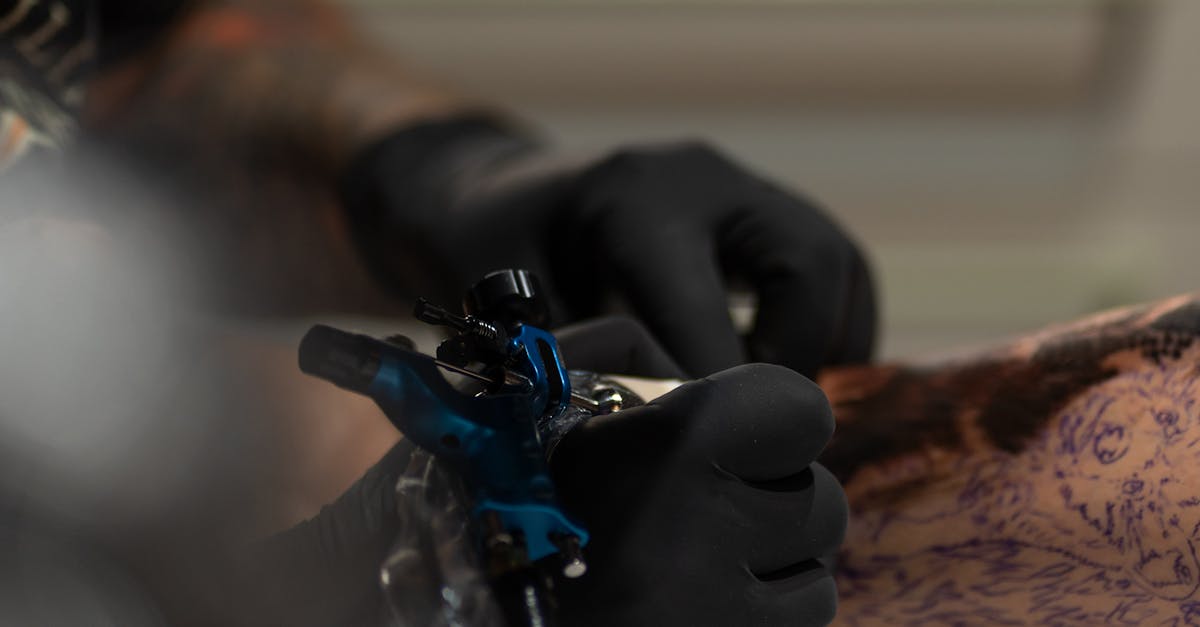
Failing to Keep the Tattoo Covered in Certain Situations
Table Of Contents
The Role of Tattoo Aftercare Products
Aftercare products play a critical role in ensuring tattoos heal properly and maintain their vibrancy. These specially formulated ointments and creams create a protective barrier, which not only aids in the healing process but also helps to keep the ink from fading. Selecting the right product is essential, as some may contain irritants that can cause unwanted reactions or hinder recovery.
Using the appropriate aftercare products can also reduce the risk of complications. Moisturising frequently helps to prevent excessive dryness and itching, both of which can impede the healing of the skin. Many tattoo artists recommend the use of fragrance-free, hypoallergenic options to minimise the chances of irritation. A well-rounded aftercare routine can significantly improve the outcome of a tattoo, ensuring that it remains a source of pride for years to come.
Choosing the Right Ointments and Lotions
Selecting the appropriate ointments and lotions is essential for the care of a new tattoo. Look for products specifically designed for tattoo aftercare. These usually contain ingredients that promote healing without causing irritation. Avoid heavily scented lotions or those with alcohol, as these can dry out the skin or lead to adverse reactions. Opt for a fragrance-free, hydrating option that helps maintain moisture while allowing the skin to breathe.
Additionally, natural ingredients like coconut oil and shea butter can be beneficial for healing tattoos. These possess anti-inflammatory properties, which may soothe redness and discomfort. Consider consulting with your tattoo artist for product recommendations tailored to your skin type and the specific tattoo you received. Their insights can help ensure that your tattoo heals well and maintains its vibrant appearance.
Temporary Solutions for Tattoo Coverage
When it comes to covering a fresh or healing tattoo temporarily, several effective options are available. Specialized makeup designed for tattoo coverage can help conceal the ink while allowing the skin to breathe. Products like waterproof concealers come in various shades to match skin tones. These formulations often blend seamlessly, making them a popular choice for those looking to hide their tattoos for special occasions or in professional environments.
Another practical approach involves utilising clothing to keep tattoos hidden. Long sleeves and high-neck tops provide an easy barrier against sun exposure and accidental contact. For those with tattoos on their legs or arms, opting for leggings or long socks can offer similar protection. Choosing the right fabrics that are breathable and comfortable ensures that the tattoo remains covered without compromising on comfort.
Using Make-Up and Clothing Options
Covering a healing tattoo can be effectively achieved using make-up products designed for skin protection. There are specialised tattoo concealers available that provide high coverage while being gentle on the skin. It's important to choose products that are hypoallergenic and free from harmful chemicals to avoid irritation. Light and breathable formulations can help minimise discomfort while ensuring the tattoo remains hidden during the healing process.
In addition to make-up, clothing choices play a significant role in tattoo coverage. Loose-fitting garments made from soft, breathable fabrics can prevent unnecessary friction against the tattooed area. Opting for UV-protective clothing can shield the tattoo from sun exposure, which is crucial during the healing phase. Layering with scarves or wraps also offers an added layer of protection and can enhance style while keeping the tattoo discreet.
Risks of Exposing a Healing Tattoo
During the healing process, a tattoo is particularly vulnerable to external factors that can lead to complications. Exposing a fresh tattoo to dirt, bacteria, or allergens increases the risk of infection. Signs of infection may include redness, swelling, rash, and pus. It is crucial to monitor the area closely, as untreated infections can lead to more severe health issues.
In addition to the risk of infection, prolonged exposure to sunlight can cause fading and discolouration of the tattoo ink. UV rays can harm the delicate skin, delaying the healing process and potentially resulting in less vibrant colours. Using sunscreen on healing tattoos is essential, but ideally, these tattoos should be covered until fully healed to ensure the best outcome and longevity of the design.
Potential Infections and Complications
When a healing tattoo is exposed to external factors like dirt and bacteria, the risk of infection increases significantly. Open wounds, including fresh tattoos, create an environment where harmful microorganisms can thrive. This can lead to symptoms such as redness, swelling, and pus, indicating that the body is responding to an infection. Maintaining proper hygiene and cleanliness around the tattoo area is essential to minimise these risks.
Infections can have severe consequences, delaying the healing process and potentially ruining the appearance of the tattoo. Scarring may occur if an infection is not treated promptly and properly, which could compromise the artwork's integrity. Complications may also arise, necessitating medical intervention. Therefore, keeping a tattoo covered and protected in certain situations is crucial for ensuring its long-term health and aesthetic appeal.
FAQS
Why is it important to keep a healing tattoo covered?
Keeping a healing tattoo covered helps protect it from potential infections, irritants, and harmful UV exposure, which can affect the healing process and the final appearance of the tattoo.
What are the best products to use for tattoo aftercare?
The best products for tattoo aftercare typically include gentle, fragrance-free ointments and lotions specifically designed for tattoos. Look for ingredients like vitamin E, aloe vera, and natural oils that promote healing without causing irritation.
Can I use regular make-up to cover my tattoo?
Yes, you can use regular make-up to cover a tattoo, but it’s important to choose non-comedogenic and hypoallergenic products to avoid irritation. Make sure to use a concealer or foundation that provides good coverage and is suitable for sensitive skin.
What are some temporary solutions for tattoo coverage?
Temporary solutions for tattoo coverage include using clothing, such as long sleeves or bandages, and applying make-up designed for skin coverage. Special tattoo cover-up products are also available that are waterproof and blend well with skin tones.
What complications can arise from exposing a healing tattoo?
Exposing a healing tattoo can lead to complications such as infections, prolonged healing time, and potential fading or distortion of the tattoo design. It’s essential to follow proper aftercare to minimise these risks.
Related Links
Disregarding Changes in Skin Condition: Warning Signs to MonitorNot Following Artist's Aftercare Instructions: A Frequent Error
Sharing Aftercare Products: Risks You Should Avoid
Excessive Exposure to Water: The Impact on Tattoo Healing
Using the Wrong Products: How They Can Hamper Healing
Skipping Sunscreen: A Mistake That Can Fade Your Tattoo