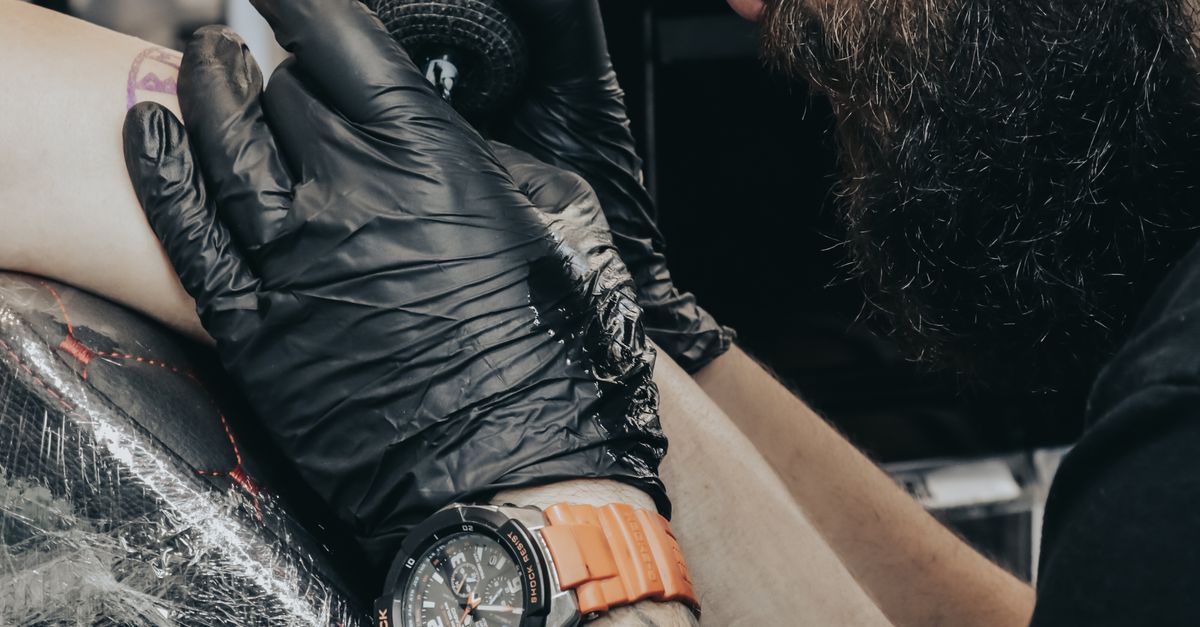
Vintage Tattoo Styles Resurfacing in Sunshine Coast Culture
Table Of Contents
The Impact of Social Media on Tattoo Trends
Social media platforms have transformed how tattoo styles gain popularity, allowing vintage designs to reach a broader audience than ever before. Artists and enthusiasts share their inked stories, showcasing classic styles through visually engaging posts. This phenomenon enables individuals to discover and appreciate the intricacies of vintage tattoos, elevating their status within contemporary culture. Influencers play a key role, often highlighting their unique pieces and nudging followers toward retro aesthetics.
The immediacy of social media fosters a dynamic exchange between artists and tattoo lovers. A simple hashtag can revolutionise trends overnight, with users routinely exploring new interpretations of vintage styles. This interaction encourages creativity and fosters a sense of community around traditional tattoo artistry. As vintage motifs resurface in feed after feed, they instil a sense of nostalgia while simultaneously appealing to new generations eager to define their identities through ink.
How Platforms Shape Perceptions of Vintage Styles
Social media has revolutionised the way vintage tattoo styles are viewed and appreciated. Platforms like Instagram and TikTok allow artists to showcase their work to a global audience, often leading to a resurgence in popularity for specific styles. Vintage designs, such as traditional American or Japanese tattoos, gain visibility through hashtags and curated feeds, making them accessible to younger generations. This widespread exposure fosters a community of enthusiasts who actively engage with and promote these classic forms of body art.
The imagery shared on these platforms often focuses on the artistic and historical significance behind vintage tattoos. Artists use captions to narrate personal stories or cultural backgrounds, enhancing the appreciation for these old-school styles. This educational aspect helps break down barriers, inviting individuals who may have previously overlooked vintage designs to explore their meanings and significance. As a result, social media not only showcases the aesthetic appeal but also enriches the conversation around the narratives that vintage tattoos carry within various cultures.
Vintage Tattoo Aftercare Tips
Proper aftercare is essential to ensure that vintage tattoo designs maintain their integrity over time. It’s crucial to keep the tattoo clean and moisturised. Gently wash the area with a mild soap and avoid using anything too harsh that might irritate the skin. Following the initial healing period, using a fragrance-free moisturiser helps prevent the ink from fading. Daily moisturisation can also keep the skin supple, which is vital for the preservation of detail in more intricate designs.
Exposure to sun can significantly impact the vibrancy of a tattoo. Applying a high SPF sunscreen to the area is advisable whenever venturing outdoors. Additionally, wearing loose clothing over freshly inked skin protects it from friction and potential discolouration. Regular touch-ups may also be needed to refresh vintage styles and ensure that they age gracefully without losing the original charm of their design.
Maintaining the Integrity of Classic Designs
Classic tattoo designs often embody a rich history and cultural significance. Preserving the integrity of these vintage aesthetics requires not only an understanding of traditional styles but also the skills to execute them with precision. Artists dedicated to vintage tattoos frequently study the works of early tattoo pioneers, ensuring their methods and techniques are authentic. Engaging with archival materials and learning from seasoned professionals are essential practices for maintaining the fundamental characteristics that define these iconic styles.
Proper aftercare plays a crucial role in preserving the vibrancy and clarity of vintage tattoos. The choice of ink, as well as the application technique, significantly impacts the longevity of a design. Clients should be educated on the best practices for tattoo maintenance, including moisturising, avoiding excessive sun exposure, and refraining from scratching during the healing process. Creating awareness around these aspects not only safeguards the artwork but also respects the tradition behind it, allowing future generations to appreciate the charm of vintage tattoos.
The Relationship Between Vintage Tattoos and Personal Stories
Inking a vintage tattoo often serves as a canvas for personal narratives. Each design selection reflects the individual's journey, encapsulating meaningful experiences or cherished memories. Elements in classic styles, such as nautical themes or traditional roses, carry rich historical significance while simultaneously resonating with the wearer's life story. These tattoos act as conversation starters, allowing wearers to share stories about lost loves, family ties, or transformative moments.
The symbolism inherent in vintage designs contributes to their enduring appeal. Many choose imagery that speaks to cultural heritage or personal values, adding layers of meaning to their ink. A classic swallow, for instance, might represent freedom and adventure, while a vintage pin-up could evoke nostalgia for a bygone era. Such tattoos not only honour tradition but also personalise it, merging the timeless with the contemporary in a way that reflects individual identities and shared experiences.
Symbolism and Meaning in Ink
In the world of tattooing, each design often carries a narrative that transcends its visual appeal. Vintage styles possess a rich tapestry of symbolism, frequently drawing from historical references and cultural icons. For many, these tattoos serve as a form of personal expression or a tribute to significant life events, illuminating the relationship between the inked artwork and the individual's journey. Classic images, such as anchors and swallows, emerge from maritime traditions and convey themes of stability and hope, resonating deeply with those who choose them.
The meanings embedded within these designs can vary widely among cultures and personal experiences. Some tattoos might evoke nostalgia for bygone eras, while others can serve as markers of resilience or cherished memories. As individuals engage with these vintage aesthetics, they not only connect with a rich heritage of tattoo artistry but also forge intimate expressions of their own identities. In this way, the act of tattooing transcends mere decoration, evolving into a profound statement about one's beliefs, aspirations, and life events.
FAQS
What are vintage tattoo styles?
Vintage tattoo styles refer to designs that were popular in earlier eras, often characterised by bold lines, limited colour palettes, and iconic imagery. These styles typically draw inspiration from traditional tattoo art, especially from the mid-20th century.
How has social media influenced the resurgence of vintage tattoo styles?
Social media platforms have played a significant role in promoting vintage tattoo styles by allowing artists and enthusiasts to share their work widely. This visibility helps shape perceptions and trends, encouraging a renewed interest in classic designs.
What are some aftercare tips for vintage tattoos?
To maintain the integrity of vintage tattoos, it’s important to keep the area clean and moisturised. Avoid direct sunlight and excessive water exposure in the initial healing phase, and consider using fragrance-free lotions to prevent irritation.
Why do vintage tattoos often hold personal significance?
Vintage tattoos frequently carry deep personal stories or symbolism for individuals. They can represent cultural heritage, important life experiences, or beliefs, making each design unique to the wearer.
Are there specific vintage tattoo styles that are more popular on the Sunshine Coast?
Yes, on the Sunshine Coast, styles such as traditional Americana, sailor tattoos, and classic floral designs are particularly popular, reflecting both the area's cultural influences and the preference for bold, timeless art.
Related Links
Floral Tattoos Reflecting the Sunshine Coast's BeautyAbstract Art Tattoos: A Contemporary Choice Among Sunshine Coast Artists
Animal Portrait Tattoos: Capturing Wildlife on the Sunshine Coast
Symbolic Tattoos: Personal Meaning in Sunshine Coast Ink Styles
Nature-Inspired Tattoos: Embracing the Outdoors on the Sunshine Coast