Traditional Japanese Tattoos Making Waves in the Sunshine Coast Scene
Table Of Contents
The Experience of Getting a Japanese Tattoo
For many individuals, receiving a traditional Japanese tattoo, or irezumi, is not simply about the artwork but also about the cultural experience attached to it. The process often begins with a consultation where the artist discusses design concepts, ensuring that the symbolism aligns with the wearer’s intentions. Clients may find it eye-opening to learn about the history and significance behind each element of the tattoo. Traditional approaches, such as the use of bamboo and hand-poked techniques, add another layer of authenticity, making for a more intimate experience.
Sitting for a Japanese tattoo can be a lengthy affair, often requiring multiple sessions for larger pieces. The sensation can vary, with some people finding it more tolerable than they expected. Artists typically create a calming environment, which helps ease any apprehension. Many choose to reflect on the deeper meanings of their chosen designs during this time. The combination of the physical sensation and the emotional journey can make the experience profoundly fulfilling, marking the beginning of a lifelong connection with the art form.
What to Expect During the Process
The journey of getting a traditional Japanese tattoo begins with a meaningful consultation. Artists often prioritise understanding the client's vision and the significance behind the chosen design. This dialogue is essential for ensuring that the artwork resonates personally with the individual. Following the consultation, the artist typically prepares to create the tattoo using time-honoured techniques, which may involve hand-tapping rather than machine methods. This process can be quite different from typical tattoo experiences, creating an intimate connection between artist and client.
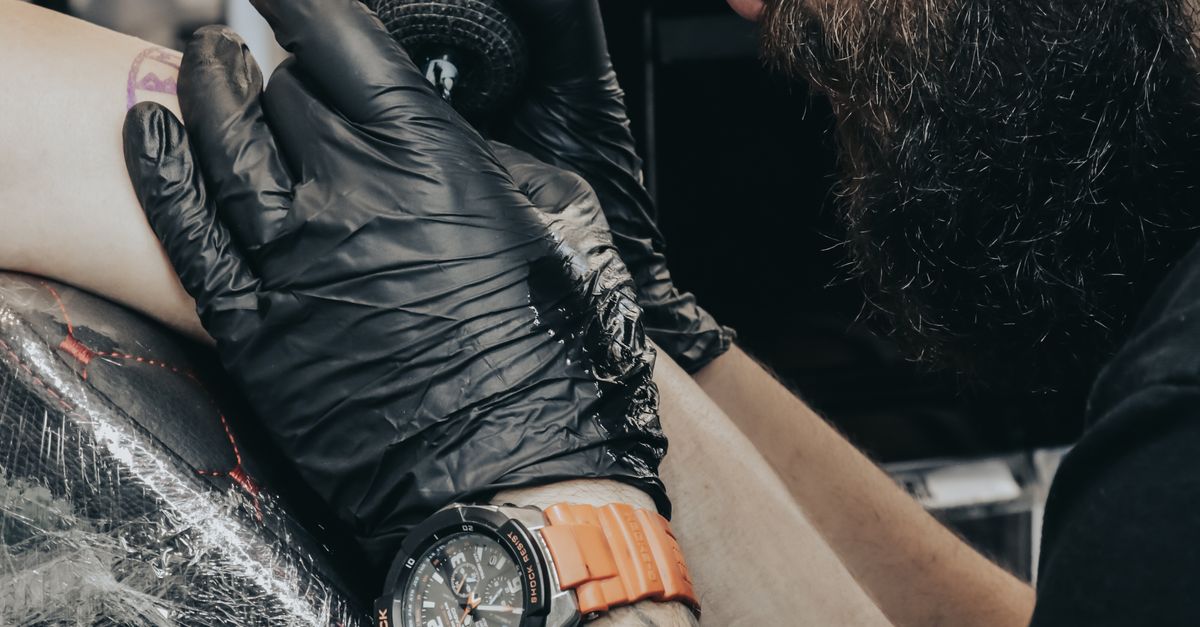
During the actual tattoo session, clients can expect a focus on the meticulous details that define traditional Japanese artistry. The process may be longer than anticipated depending on the intricacy and size of the design. Pain tolerance can vary, and while some clients find the experience manageable, others might feel discomfort. It's common for artists to take breaks to ensure clients remain comfortable throughout, allowing for a more relaxed and productive atmosphere. Emphasis on precision is paramount, as each stroke contributes to the overall harmony of the final piece.
Caring for Your Traditional Tattoo
After getting a traditional Japanese tattoo, proper care is essential to ensure its longevity and vibrancy. The healing process typically takes around two weeks, during which it’s crucial to keep the tattoo clean and moisturised. Lightly washing the area with mild soap and lukewarm water helps remove any trapped blood or ink residue. Gentle patting with a soft towel is advisable; vigorous rubbing can irritate the skin and may affect the tattoo's appearance. Applying a thin layer of fragrance-free moisturiser prevents excessive dryness and keeps the skin supple.
Once the initial healing phase is complete, ongoing care becomes important. Sun exposure can fade vibrant ink, so using a high SPF sunscreen on the tattooed area is vital for protection. Refraining from soaking in baths or swimming pools for at least four weeks can help avoid the risk of infection. Regular moisturisation continues to be beneficial, especially in dry climates. Observing any changes in the tattoo, such as unusual redness or swelling, allows for early intervention if needed.
Tips for Aftercare to Ensure Longevity
After receiving a traditional Japanese tattoo, proper aftercare is crucial for preserving its vibrancy and detail. Keeping the area clean is essential. Gently washing the tattoo with mild soap and lukewarm water helps avoid infections. Once cleaned, a lightweight, fragrance-free moisturiser can be applied to support healing while preventing excessive dryness. It’s vital to avoid tight clothing and any friction against the tattooed area for the first few weeks to minimise irritation.
Sun exposure can significantly fade tattoos over time, so applying sunscreen is a must when stepping outside. Choose a broad-spectrum sunscreen with a high SPF to shield the artwork from harmful UV rays. Additionally, refrain from swimming in pools, hot tubs, or the ocean during the initial healing phase. Following these tips will help ensure your traditional Japanese tattoo remains a stunning testament to the artistry involved.
Spotting Authentic Japanese Tattoo Artists
Finding an authentic Japanese tattoo artist requires an understanding of their cultural roots and artistic style. Look for artists who have undergone traditional training in Japan or have significant experience studying under masters in the field. Many genuine practitioners will showcase their journey and heritage through their work, often featuring traditional motifs and techniques that reflect a deep appreciation for the art form.
In addition to their background, examine the artist's portfolio closely. Authentic Japanese tattoos often display intricate details and a harmonious composition that tells a story. Pay attention to the quality of line work and colour blending, as these elements are crucial in traditional designs. Engaging in conversation with the artist about their influences and inspirations can also provide insight into their authenticity and commitment to the craft.
Qualifications and Experience to Look For
When seeking an authentic Japanese tattoo artist, it is essential to consider their qualifications and training. Many skilled artists apprentice under master tattooists, often spanning several years. This hands-on experience in traditional techniques, such as hand-poke tattooing, is crucial in mastering the intricate details and symbolism found in Japanese art. A thorough understanding of the cultural elements behind the designs also plays a significant role in ensuring the artwork resonates with its intended meaning.
Experience is equally important. An artist with a robust portfolio showcases a variety of styles and themes, demonstrating their ability to adapt while still maintaining authenticity. It’s beneficial to look for artists who have participated in tattoo conventions or exhibitions, as these platforms allow for networking and skill enhancement. Customer reviews and testimonials provide additional insight into an artist’s professionalism and commitment to their craft. Taking the time to research these aspects sets the stage for a satisfactory tattoo experience.
FAQS
What is a traditional Japanese tattoo?
Traditional Japanese tattoos, also known as Irezumi, feature intricate designs that often incorporate cultural elements such as koi fish, dragons, and cherry blossoms. These tattoos are typically large and can cover significant portions of the body.
How long does it take to get a traditional Japanese tattoo?
The duration of the tattoo process can vary greatly depending on the size and complexity of the design. Smaller tattoos may take a few hours, while larger pieces can take multiple sessions over weeks or even months to complete.
What should I expect during the tattooing process?
During the tattooing process, you can expect a consultation with the artist to discuss your design and its placement. The actual tattooing will involve the use of traditional techniques, which may differ from modern tattooing methods, and you might experience some discomfort or pain.
How do I care for my new traditional Japanese tattoo?
To care for your new tattoo, it's essential to keep the area clean and moisturised. Follow your artist’s aftercare instructions closely, which may include avoiding soaking in water, applying ointment, and not exposing the tattoo to direct sunlight during the healing process.
What qualifications should I look for in a Japanese tattoo artist?
When searching for an authentic Japanese tattoo artist, look for qualifications such as formal training in the Japanese style of tattooing, experience in the industry, and a portfolio showcasing their previous work. Additionally, consider their understanding of traditional techniques and cultural significance.
Related Links
Minimalist Tattoo Trends Gaining Traction in Sunshine Coast StudiosWatercolour Tattoos: A Vibrant Choice for Sunshine Coast Residents
Floral Tattoos Reflecting the Sunshine Coast's Beauty
Vintage Tattoo Styles Resurfacing in Sunshine Coast Culture
Abstract Art Tattoos: A Contemporary Choice Among Sunshine Coast Artists