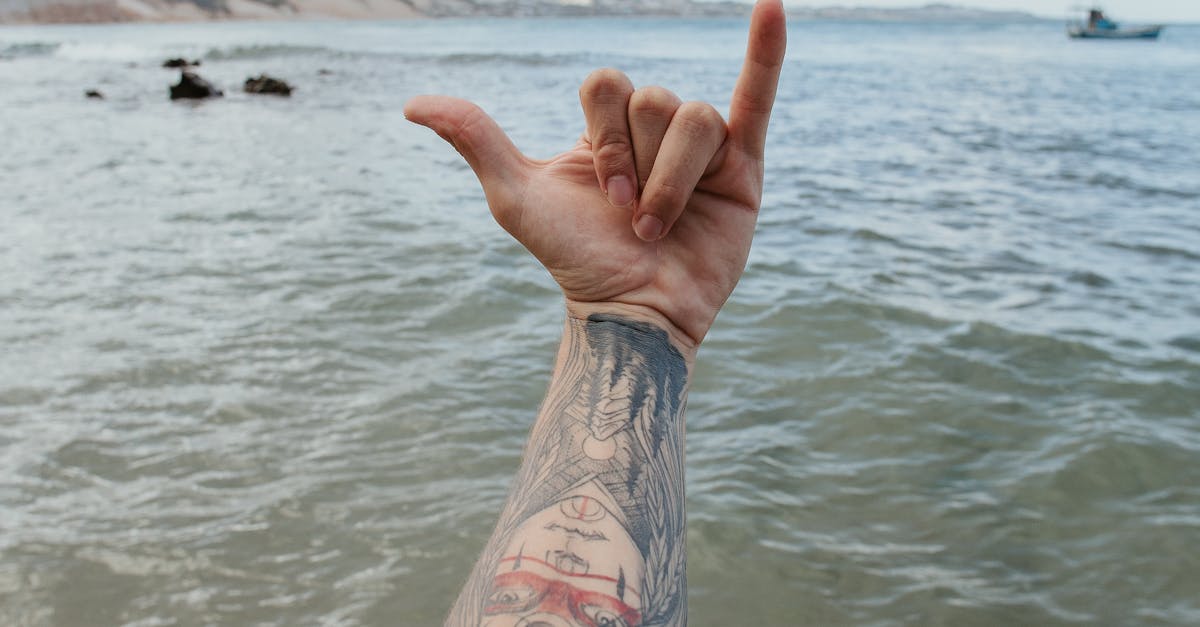
Watercolour Tattoos: A Vibrant Choice for Sunshine Coast Residents
Table Of Contents
Longevity of Watercolour Tattoos
When considering the longevity of watercolour tattoos, it is essential to recognise that their lifespan can be influenced by several factors. Unlike traditional tattoos, which often utilise bold black outlines and solid fills, watercolour tattoos rely on softer hues and gradient techniques. This distinct style can lead to more rapid fading over time. However, proper care during the healing process and ongoing maintenance can help preserve these vibrant designs for longer periods.
Regular touch-ups might be necessary to maintain the original intensity of colours found in watercolour tattoos. The technique often requires lighter inks that are more prone to light exposure and skin oils, leading to a gradual dulling. Selecting an experienced tattoo artist who understands the intricacies of watercolour designs can ensure that the tattoo not only looks beautiful initially but also stands the test of time with appropriate upkeep.
Factors That Affect Fading
The longevity of watercolour tattoos largely depends on various factors that influence their fading over time. Ink quality plays a significant role, as higher quality pigments tend to hold their vibrancy longer. Additionally, tattoo placement can affect how well colours stay bright. Areas exposed to friction or sun, like wrists or feet, often experience faster fading than those on more protected regions of the body.
Skin type and care routines also contribute to how quickly a watercolour tattoo may lose its vibrancy. Some individuals may have skin that naturally absorbs or fades pigment more rapidly. Proper aftercare, including moisturising and using sunscreen, helps maintain the tattoo's appearance for an extended period. Regular touch-ups may also be necessary to keep the design looking fresh and vivid.
Watercolour Tattoos vs. Traditional Tattoos
Watercolour tattoos present a fresh alternative to traditional tattoo styles, featuring vibrant hues and fluid designs that mimic the appearance of watercolour paint. Unlike conventional tattoos that often rely on bold lines and defined edges, watercolour tattoos flourish with soft transitions and blended shades, creating a more ethereal look. This artistic approach allows for greater creativity, enabling designs that can look almost like fine art on skin.
While traditional tattoos utilise black outlines and shading to define shapes, watercolour tattoos embrace a more abstract form. The outcome is a fusion of colours that may not have strict borders, giving them a unique impression that differs significantly from the crispness of typical tattoos. This distinction appeals to those looking for an individualistic expression, reflecting a desire for a design that feels lively and spontaneous rather than structured and rigid.
Artistic Techniques and Visual Differences
Watercolour tattoos employ a distinct approach compared to traditional styles, often relying on a blend of pigments that create a fluid, painterly effect. Artists typically use a stippling or soft brush technique, allowing colours to bleed into one another, reminiscent of an actual watercolour painting. The absence of heavy outlines distinguishes this style from conventional tattoos, where bold black lines dominate the design. This lack of delineation results in a softer appearance and a unique aesthetic that appeals to many who seek a more artistic form of body art.
The visual differences are striking, with watercolour tattoos often featuring vibrant washes and splashes of colour, evoking the spontaneity of a brushstroke. Instead of the solid, well-defined images found in traditional tattoos, watercolour pieces can appear more abstract and fluid. This creates an illusion of depth, giving the impression that the artwork is alive and continuously evolving. Each tattoo artist brings their unique flair to the technique, which ensures that no two watercolour tattoos are ever exactly alike, enhancing their appeal as a personal form of expression.
The Impact of Environmental Factors
Sunshine Coast residents enjoy a subtropical climate, characterised by high humidity and abundant sunshine. These environmental factors can significantly influence the longevity and appearance of watercolour tattoos. Exposure to UV rays causes pigments to break down over time, leading to premature fading. While a well-cared-for tattoo can retain its vibrancy, individuals living in sunnier regions may notice a difference in how quickly their designs lose their freshness.
Humidity also plays a role in the care of tattoos. Excess moisture can cause the skin to irritate or reveal signs of infection, potentially compromising the tattoo's integrity. For those with watercolour tattoos, maintaining skin hydration while avoiding excessive exposure to the elements is essential. Proper aftercare, including the use of moisturisers and sunscreen, becomes especially critical in these conditions, ensuring that the artwork remains as striking as it was on the day it was inked.
Sunshine Coast Climate Considerations
The climate of the Sunshine Coast plays a significant role in the life of watercolour tattoos. With its warm, sunny weather and high levels of UV exposure, these tattoos can experience greater fading than in cooler or shaded environments. Residents must be mindful of sun protection, applying sunscreen not just for skin health but also to help preserve the vibrancy of their tattoo designs. Regular touch-ups may be necessary to maintain the intended look, especially for those with lighter hues that are more susceptible to fading.
Additionally, humidity levels in the Sunshine Coast can influence how ink interacts with the skin. High humidity might affect healing time and could result in a different absorption of the ink into the skin. Proper aftercare is essential after getting a watercolour tattoo, with recommendations for moisturising and gentle cleansing to help maintain the integrity of the artwork. Understanding these climate-specific considerations can help individuals make informed decisions about their body art and its long-term care.
FAQS
What are watercolour tattoos?
Watercolour tattoos are a style of tattooing that mimics the look of watercolour paintings, featuring vibrant colours, soft edges, and a fluid, artistic appearance.
How long do watercolour tattoos typically last?
The longevity of watercolour tattoos can vary, but they generally last around 3 to 5 years before requiring touch-ups, depending on skin type and care.
What factors contribute to the fading of watercolour tattoos?
Factors that can affect the fading of watercolour tattoos include sun exposure, skin type, location on the body, and the quality of the ink used.
How do watercolour tattoos compare to traditional tattoos?
Unlike traditional tattoos, which often feature bold outlines and defined shapes, watercolour tattoos are softer, with blended colours and no outlines, resulting in a more painterly effect.
Is there a particular care routine recommended for watercolour tattoos?
Yes, it is important to keep the tattoo moisturised, avoid excessive sun exposure, and use sunscreen to help preserve the vibrant colours and prevent fading.
Related Links
Traditional Japanese Tattoos Making Waves in the Sunshine Coast SceneBold Geometric Tattoos Gaining Popularity on the Sunshine Coast
Floral Tattoos Reflecting the Sunshine Coast's Beauty
Vintage Tattoo Styles Resurfacing in Sunshine Coast Culture
Abstract Art Tattoos: A Contemporary Choice Among Sunshine Coast Artists
Animal Portrait Tattoos: Capturing Wildlife on the Sunshine Coast